Magazine printing in Monroe, GA means one production floor handling the press work, the binding, the addressing, and the mailing for a finished issue, rather than stitching those steps together across three separate vendors. Walton Press, based at 402 Mayfield Drive in Monroe, has run that model for more than 125 years, printing regional lifestyle titles, membership journals, and trade publications for clients across Georgia and the Southeast. This guide walks a publisher through what local magazine printing involves, why print still earns reader attention, and how to choose a press, a binding style, and a mailing plan that fits your title.
The short version: if your magazine has to hold its color, meet a fixed publication date, and land in every subscriber’s mailbox at the lowest legal postage, the printer you pick matters more than almost any other production decision you make this year.
Key Takeaways
- Magazine printing in Monroe, GA is a full-service job. Presswork, bindery, addressing, and mailing under one roof remove the handoffs that cause color drift and missed dates.
- Print still commands attention. 87% of American adults engaged with magazine media, and 78% of readers who see a magazine ad take an action, according to the News/Media Alliance.
- Offset is the standard for real circulation. Sheetfed offset suits short-run, niche titles; web offset carries high-volume runs at a lower cost per copy.
- Binding is a strategic choice. Saddle stitching fits thinner issues; perfect binding gives thicker magazines a flat, printable spine.
- In-house mailing protects your budget. With USPS Periodicals volume down 65% since 2008 and the class running “underwater,” postal optimization and clean addressing are where publishers save real money.
What does magazine printing in Monroe, GA actually involve?
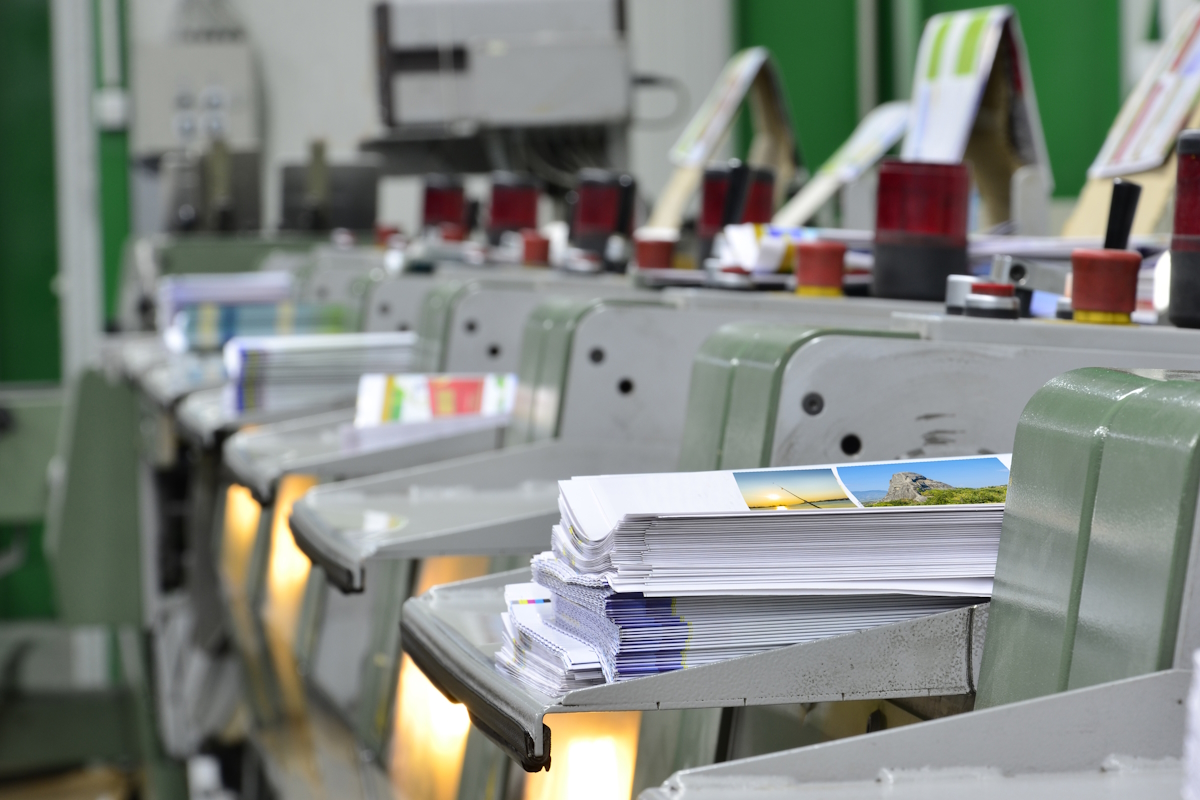
Magazine printing in Monroe covers the entire path from a print-ready file to a mailed copy: prepress and proofing, offset presswork, bindery, inkjet addressing, polybagging where needed, and postal-optimized mailing. Walton Press runs all of these steps in a single Monroe facility, which is the practical difference between a “printer” and a production partner. When one team owns every stage, there is no shipping a signature across town to a bindery, no second vendor to blame for a color shift, and no gap in the schedule where an issue can stall.
Monroe sits in Walton County, roughly an hour east of Atlanta, which puts a full-service commercial plant within easy reach of publishers across metro Atlanta, Athens, and the wider Southeast. That geography lets a regional publisher work with a nearby press instead of shipping files to a distant national printer and waiting on freight.
For a publisher, the payoff is accountability. One point of contact, one schedule, and one team that answers for the finished issue.
Why does print still earn reader attention?
Print earns attention because readers still show up for it in large numbers and act on what they see. Nearly nine in ten American adults, 87%, engaged with magazine media in recent months, and 78% of readers who see an ad in their magazine take an action as a result, per the News/Media Alliance Magazine Media Factbook drawing on MRI-Simmons data. One in four readers looked for more information about the product (25%) or visited the advertiser’s website (23%).
Those numbers matter to two people at once: the publisher selling ad pages and the advertiser buying them. A printed magazine is a physical object a reader keeps, hands to someone else, and returns to over weeks. That shelf life is exactly what an email or a social post does not have.
Reader response
What magazine readers actually do
Share of readers taking each action after engaging with magazine media.
News/Media Alliance magazine media engagement research, as cited in the post.
For membership and trade publishers, the print edition is also proof of value. It is the tangible thing a dues-paying member receives, and it carries the publication’s authority in a way a PDF rarely does.
Sheetfed or web offset: which press fits your magazine?
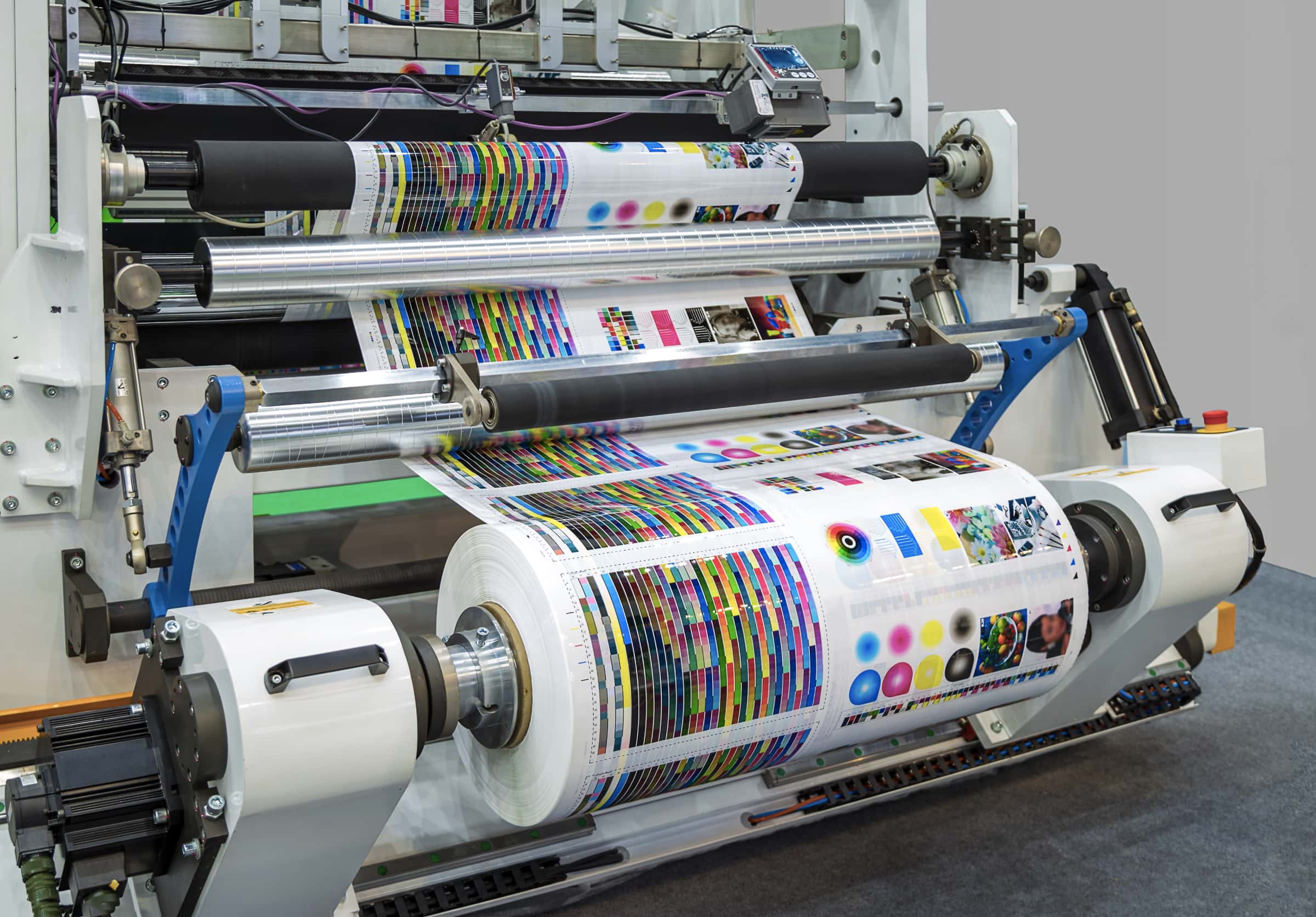
The right press depends on your run length and page count. Offset printing is the gold standard for magazines because it delivers consistent, high-fidelity color across long runs at a low cost per copy. Within offset, the choice is between two press types, and a Monroe plant that runs both can match the press to the job rather than forcing the job onto whatever press it owns.
- Sheetfed offset prints on individual sheets. It is the better fit for shorter runs, niche titles, heavier cover stocks, and issues where premium finishing matters more than raw speed.
- Web offset prints from a continuous roll of paper at high speed. It is the economical choice for high-volume circulations, where the lower cost per copy on a long run is decisive.
A publisher rarely needs to master this distinction alone. The value of a full-service printer is a production team that reads your specs, your circulation, and your budget, then recommends the press that produces the best copy for the least money.
How does binding choice shape your finished magazine?
Binding is a design and durability decision, not an afterthought. The two common magazine methods are saddle stitching and perfect binding, and the right one depends on page count and the impression you want the issue to make.
| Binding style | Best for | What it looks like |
|---|---|---|
| Saddle stitching | Thinner issues, typically up to about 80 pages | Folded and stapled through the spine; lies flat, lower cost |
| Perfect binding | Thicker magazines and premium titles | Squared, glued spine that can be printed on, like a paperback |
Saddle stitching keeps costs down and works well for lighter monthlies and quarterlies. Perfect binding gives a heavier issue a flat, printable spine that reads as premium on a shelf or a coffee table, which is why many lifestyle and annual titles choose it. Walton Press offers both, along with the paper stocks and finishes that decide how the final piece feels in a reader’s hands.
How does in-house mailing protect your budget?
In-house mailing protects your budget because addressing and postal optimization are where magazine economics are won or lost. United States Postal Service Periodicals volume fell from 8.6 billion pieces in 2008 to 3.0 billion in 2023, a 65% decline, and the class now runs “underwater,” meaning USPS spends more to process and deliver it than it collects. Postage keeps climbing, so the cost of getting each copy delivered is often larger than the cost of printing it.
The Postal Service still moved 112.5 billion pieces of mail in fiscal year 2024, according to USPS Postal Facts, so the network reaches every subscriber. The job is to reach them at the lowest legal rate. That comes from clean address hygiene, correct presorting, inkjet addressing, and mail prepared to postal specification, all of which Walton Press handles in-house alongside the presswork.
Print and mail together also drive response. The ANA Response Rate Report pegs direct mail’s average response rate near 4.4%, with house lists reaching 5% to 9% and a reported 161% return on investment, well above email and social. A magazine that includes a direct mail component, an insert, a renewal notice, or a subscriber offer, turns a single production run into a revenue tool.
Why does color consistency matter issue after issue?
Color consistency matters because a magazine is a brand, and a brand that shifts hue from one issue to the next looks careless to readers and advertisers alike. Walton Press is an Idealliance G7 Master Certified printer, a credential that verifies a print process meets a defined gray-balance and tonality standard. In plain terms, the cover, the photography, and the brand colors that run in your first issue look the same in your hundredth.
For an advertiser paying for a full-page spread, that consistency is the promise that their logo prints the way their brand guidelines demand. For a publisher, it is the difference between a title that looks professionally produced and one that does not.
How do you choose a magazine printer in Monroe, GA?
Choose a magazine printer by matching capability, accountability, and location to your title’s real needs. Use this checklist when you evaluate a printer for a regional or trade magazine:
- Full-service under one roof. Confirm presswork, bindery, addressing, and mailing all happen in-house, not through subcontractors.
- Both press types. A printer with sheetfed and web offset can right-size the press to your run instead of overcharging you on the wrong one.
- G7 color certification. Ask directly whether the plant holds a recognized color standard so your issues stay consistent.
- Mailing expertise. Verify they prepare mail to USPS specification and optimize postage, because that is where your money leaks.
- A dedicated account manager. One point of contact who knows your schedule prevents the dropped handoffs that miss publication dates.
- Proof before you commit. Request a quote and a sample kit so you can judge quality in your own hands.
Beyond magazines, a full-service Monroe plant can also produce the catalogs, event programs, and marketing collateral that many publishers and associations need alongside their flagship title, which keeps your print program with one accountable partner.
Frequently Asked Questions
How long does it take to print a magazine?
Turnaround depends on page count, run length, binding, and mailing, but a full-service printer that runs presswork and bindery in one plant can hold tighter, more predictable schedules than a shop that ships work to outside vendors. Share your issue date up front and ask for a production timeline in writing.
What is the minimum order for magazine printing?
There is no single industry minimum. Sheetfed offset makes shorter, niche runs practical, while web offset becomes more economical as circulation grows. A printer that runs both press types can quote either without pushing you toward the wrong one.
Can Walton Press mail my magazine to subscribers?
Yes. Walton Press handles inkjet addressing, mailing list preparation, polybagging, and postal optimization in-house in Monroe, GA, so a single team prints, binds, and mails each issue on schedule and at the best available postage rate.
Do you serve publishers outside Monroe, Georgia?
Yes. Walton Press prints for publishers across Georgia and the wider Southeast from its Monroe facility, and it manages mailing to subscribers nationwide.
Which binding should I choose for my magazine?
Use saddle stitching for thinner issues, up to roughly 80 pages, and perfect binding for thicker or premium titles that benefit from a flat, printable spine. Your printer can recommend the right method based on your page count and paper.
Ready to print your next issue?
Whether you are launching a new title or looking for a more reliable partner for an established one, Walton Press prints, binds, and mails magazines for publishers in Monroe, GA and across the Southeast. Request a quote or order a sample kit and judge the quality in your own hands. Call 1-800-354-0235 or contact the Walton Press team to start the conversation.