Offset printing is a widely used printing technique that offers numerous advantages for commercial projects. This article explores the key benefits of offset printing, including its superior quality, consistency, and cost-efficiency. Readers will learn how offset printing stands out in the printing industry, particularly for high-volume runs, and why it remains a preferred choice for businesses seeking reliable print solutions. Many companies face challenges in achieving high-quality prints while managing costs effectively. Offset printing provides a solution by combining advanced technology with traditional craftsmanship, ensuring that businesses can produce exceptional printed materials without breaking the bank.
This article will cover the advantages of offset printing, its role in maintaining color consistency, its cost-effectiveness, the materials it can accommodate, and how Walton Press, Inc. ensures quality and value in its offset printing services.
What Are the Key Advantages of Offset Printing for Commercial Projects?
Offset printing offers several key advantages that make it an ideal choice for commercial projects. This printing method is known for its high-quality output, cost-effectiveness for large runs, and versatility in materials.
Indeed, research consistently highlights offset printing’s effectiveness in delivering high-quality, high-volume, and cost-efficient production.
How Does Offset Printing Deliver Superior Print Quality?
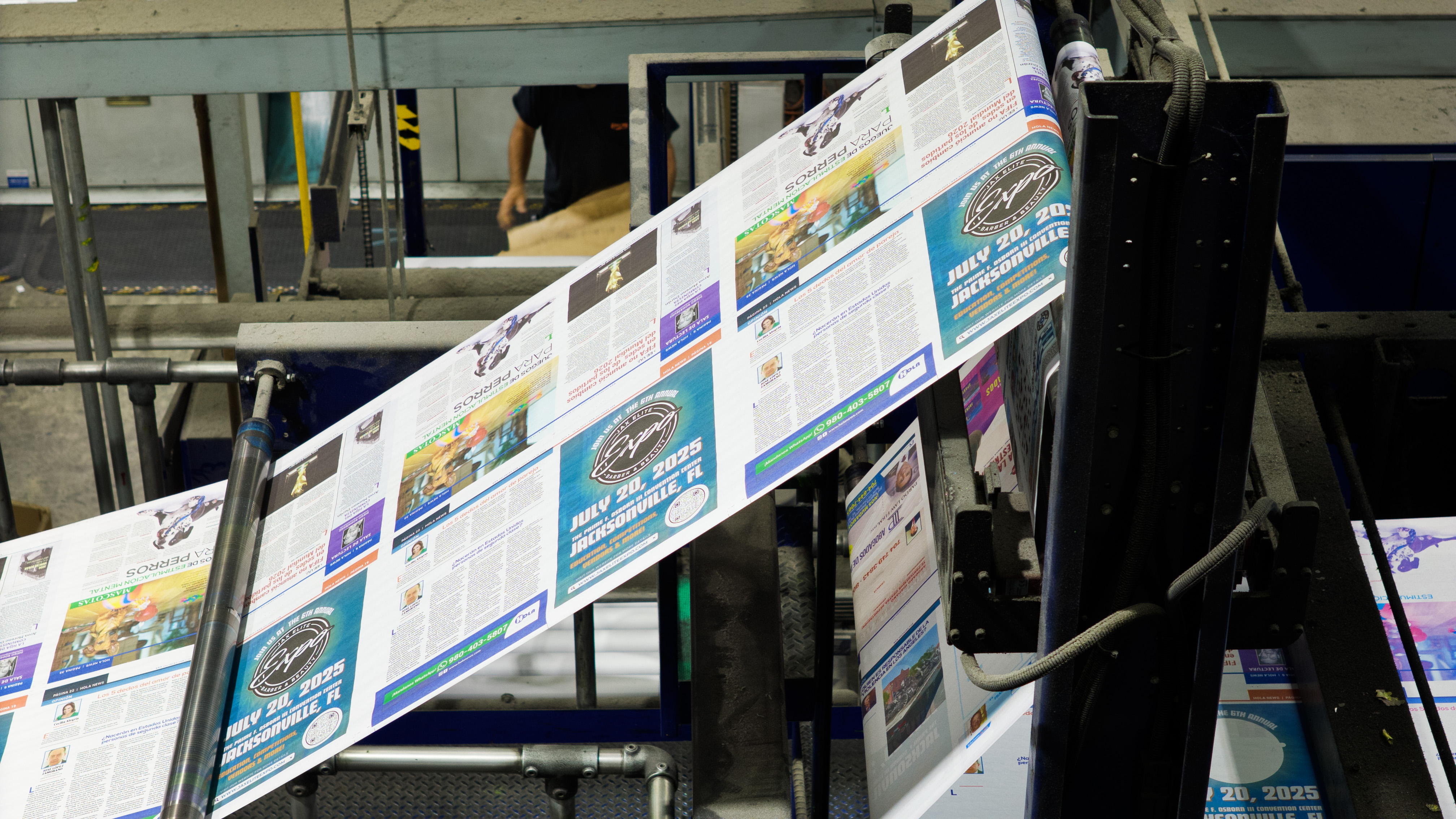
Offset printing delivers superior print quality through its ability to produce sharp images and fine details. The process uses printing plates that transfer ink onto a rubber blanket, which then transfers the ink onto the substrate, allowing for precise color reproduction and high resolution. This method ensures that colors are vibrant and consistent across multiple prints, making it suitable for projects that require exceptional quality, such as brochures, magazines, and packaging. The use of high-quality inks and advanced printing technology further enhances the overall print quality, making offset printing a preferred choice for businesses that prioritize excellence in their printed materials.
Further advancements in printing technology, including specialized ink systems, continue to push the boundaries of offset print quality, offering an even wider color gamut and finer detail.
Enhance Offset Print Quality: Wider Color Gamut & Reduced Graininess
These extra color stations can be used to improve image quality by increasing the color gamut, decreasing graininess, reducing illumination sensitivity, or adding special effects to the printed output. The HP IndiChrome Pantone® certified ink mixing system is one key enabler of these improvements, allowing customers to create Pantone® or custom-matched spot colors at their own site.
Digital Offset Printing–Going Beyond 4 Colors, 2006
Why Is Offset Printing Ideal for High-Volume Runs?
Offset printing is particularly ideal for high-volume runs due to its efficiency and cost-effectiveness. The initial setup costs for offset printing can be higher than digital printing; however, once the setup is complete, the cost per unit decreases significantly as the volume increases. This is because the same printing plates can be used for large quantities, allowing for faster production speeds. Many businesses find that offset printing becomes more economical for projects requiring thousands of copies, making it a smart choice for large-scale printing needs.
How Does Offset Printing Ensure Consistent Color Across Large Print Runs?
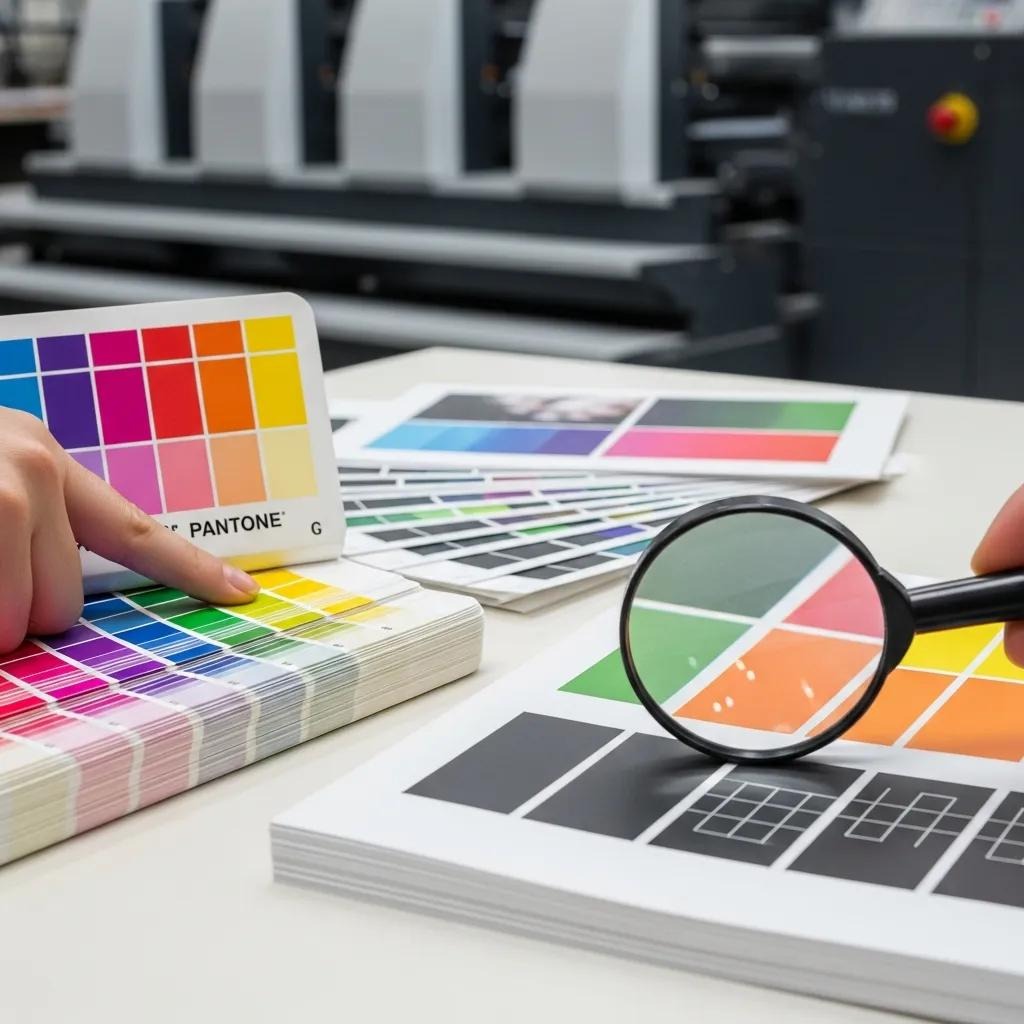
One of the standout features of offset printing is its ability to maintain consistent color across large print runs. This consistency is crucial for businesses that rely on brand identity and color fidelity in their marketing materials.
What Role Does the Pantone Matching System Play in Color Accuracy?
The Pantone Matching System (PMS) plays a vital role in ensuring color accuracy in offset printing. PMS provides a standardized color matching system that allows printers to reproduce specific colors consistently. By using PMS, businesses can ensure that their brand colors are accurately represented in all printed materials, regardless of the print run size. This system is particularly beneficial for companies that require precise color matching for their logos and branding elements.
Indeed, specialized printing techniques, such as those utilizing multi-color presses, are crucial for achieving precise and consistent Pantone color reproduction, meeting both industry standards and client expectations.
How Does Offset Printing Maintain Brand Color Integrity?
Offset printing maintains brand color integrity by utilizing the Pantone Matching System and high-quality inks that are designed to match specific color profiles. This ensures that the colors remain consistent across different print jobs and materials. Many well-known brands rely on offset printing to uphold their visual identity, as it allows them to produce marketing materials that reflect their brand accurately. By adhering to strict color guidelines, offset printing helps businesses maintain their brand’s reputation and recognition in the market.
Why Is Offset Printing Cost-Efficient for Large Print Volumes?

Offset printing is recognized for its cost-efficiency, especially when it comes to large print volumes. The economies of scale associated with this printing method make it a financially viable option for businesses.
How Do Economies of Scale Reduce Per-Unit Printing Costs?
Economies of scale play a significant role in reducing per-unit printing costs in offset printing. As the quantity of printed materials increases, the fixed costs associated with setup and production are spread over a larger number of units. This results in a lower cost per unit, making offset printing an attractive option for businesses looking to produce large quantities of printed materials without incurring excessive costs. For example, a print run of 10,000 brochures will have a significantly lower cost per brochure compared to a run of just 500.
When Is Offset Printing More Affordable Than Digital Printing?
Offset printing becomes more affordable than digital printing when producing large quantities. While digital printing is cost-effective for small runs due to its lower setup costs, offset printing shines in high-volume scenarios. Businesses that require thousands of copies will find that offset printing offers better pricing and quality, making it the preferred choice for bulk printing projects. This cost advantage, combined with the superior quality of offset printing, makes it a compelling option for many commercial applications.
What Materials and Finishes Can Offset Printing Accommodate?
Offset printing is versatile in terms of the materials and finishes it can accommodate. This flexibility allows businesses to choose from a wide range of substrates and finishing options to suit their specific needs.
Which Substrates Are Compatible with Offset Printing?
Offset printing can accommodate various substrates, including paper, cardboard, and specialty materials. Common paper types used in offset printing include coated and uncoated stocks, which can be selected based on the desired finish and application. Additionally, offset printing can handle thicker materials, making it suitable for packaging and promotional items. This versatility enables businesses to create a diverse array of printed products, from business cards to high-quality packaging.
How Does Material Versatility Enhance Print Applications?
The material versatility of offset printing enhances print applications by allowing for customization and creativity in design. Businesses can choose different substrates and finishes to achieve the desired look and feel for their printed materials. For instance, using a glossy finish on a brochure can make colors pop, while a matte finish can convey a more sophisticated appearance. This adaptability enables companies to tailor their printed products to their target audience and branding requirements, ultimately enhancing their marketing efforts.
How Does Walton Press Ensure Quality, Consistency, and Value in Offset Printing?
Walton Press, Inc. is committed to delivering quality, consistency, and value in its offset printing services. With a focus on craftsmanship and modern technology, the company ensures that every print job meets the highest standards.
What Expertise Does Walton Press Bring to Offset Printing Projects?
Walton Press brings decades of experience and expertise to offset printing projects. The team is skilled in various printing techniques and understands the nuances of different substrates and inks. This knowledge allows them to provide tailored solutions that meet the specific needs of each client. By leveraging advanced printing technology and maintaining strict quality control measures, Walton Press ensures that every project is executed with precision and care.
How Does Walton Press Guarantee Reliable Turnaround and Quality Assurance?
Walton Press guarantees reliable turnaround times and quality assurance through its streamlined production processes and commitment to customer satisfaction. The company employs rigorous quality checks at every stage of production, ensuring that the final product meets the client’s expectations. By prioritizing efficiency and quality, Walton Press has established itself as a trusted partner for businesses seeking reliable offset printing solutions.
What Are the Industry Applications and Trends Driving Offset Printing Demand?
Offset printing continues to be in demand across various industries due to its unique advantages and adaptability. Understanding the applications and trends driving this demand can help businesses make informed decisions about their printing needs.
How Is Offset Printing Used in Publishing, Packaging, and Direct Mail?
Offset printing is widely used in publishing, packaging, and direct mail applications. In publishing, it is the preferred method for producing books, magazines, and catalogs, where high-quality images and text are essential. For packaging, offset printing allows for vibrant graphics and precise color matching, making it ideal for product packaging. Additionally, direct mail campaigns benefit from offset printing’s ability to produce large quantities of materials efficiently, helping businesses reach their target audiences effectively.
What Are the Emerging Sustainability Practices in Offset Printing?
Emerging sustainability practices in offset printing focus on reducing environmental impact through eco-friendly inks, sustainable substrates, and efficient production processes. Many offset printers are adopting vegetable-based or soy-based inks and recycled materials to minimize their carbon footprint. Additionally, advancements in technology are enabling printers to reduce waste and energy consumption during production. As sustainability becomes increasingly important to consumers, offset printing companies that embrace these practices will be better positioned to meet market demands and attract environmentally conscious clients.
| Printing Method | Key Advantage | Ideal Use Case |
|---|---|---|
| Offset Printing | High-quality output | Large volume projects |
| Digital Printing | Quick turnaround | Short runs and customization |
| Flexographic Printing | Versatile for packaging | Labels and flexible packaging |
The comparison of printing methods highlights the unique advantages of offset printing, particularly for businesses that require high-quality, large-volume print solutions. Understanding these differences can help companies choose the right printing method for their specific needs.