
Walton Press

Commercial Printer Selection Guide: How to Choose the Best Commercial Printing Partner

Choosing the right commercial printing partner is crucial for businesses looking to produce high-quality printed materials. The selection process can significantly impact the quality of your marketing materials, product packaging, and overall brand image. This guide will help you understand the essential factors to consider when selecting a commercial printer, ensuring you make an informed decision that aligns with your business needs. We will explore key evaluation criteria, best practices for printer assessment, and common pitfalls to avoid during the selection process. By the end of this article, you will be equipped with the knowledge to choose a printing partner that meets your specific requirements.

What Are the Essential Factors for Selecting a Commercial Printer?

When selecting a commercial printer, several key factors should guide your decision-making process. These factors include the quality of printing, the capabilities of the printer, and the reputation and reliability of the printing service provider. Understanding these elements will help you identify a partner that can deliver the results you need.

Beyond technical capabilities, the character and commitment of a printing partner are also vital for a successful collaboration.

Key Qualities for Commercial Printing Partners

six expert participants in the US commercial printing industry with broad-based business partners, they should seek qualities that build on character and integrity, commitment from top

Factors for Successful Strategic Alliances Among Midsize Commercial Printing Companies, 2007

How to Evaluate Printing Quality and Capabilities

Evaluating printing quality and capabilities involves assessing various aspects of the printing process. Key metrics to consider include:

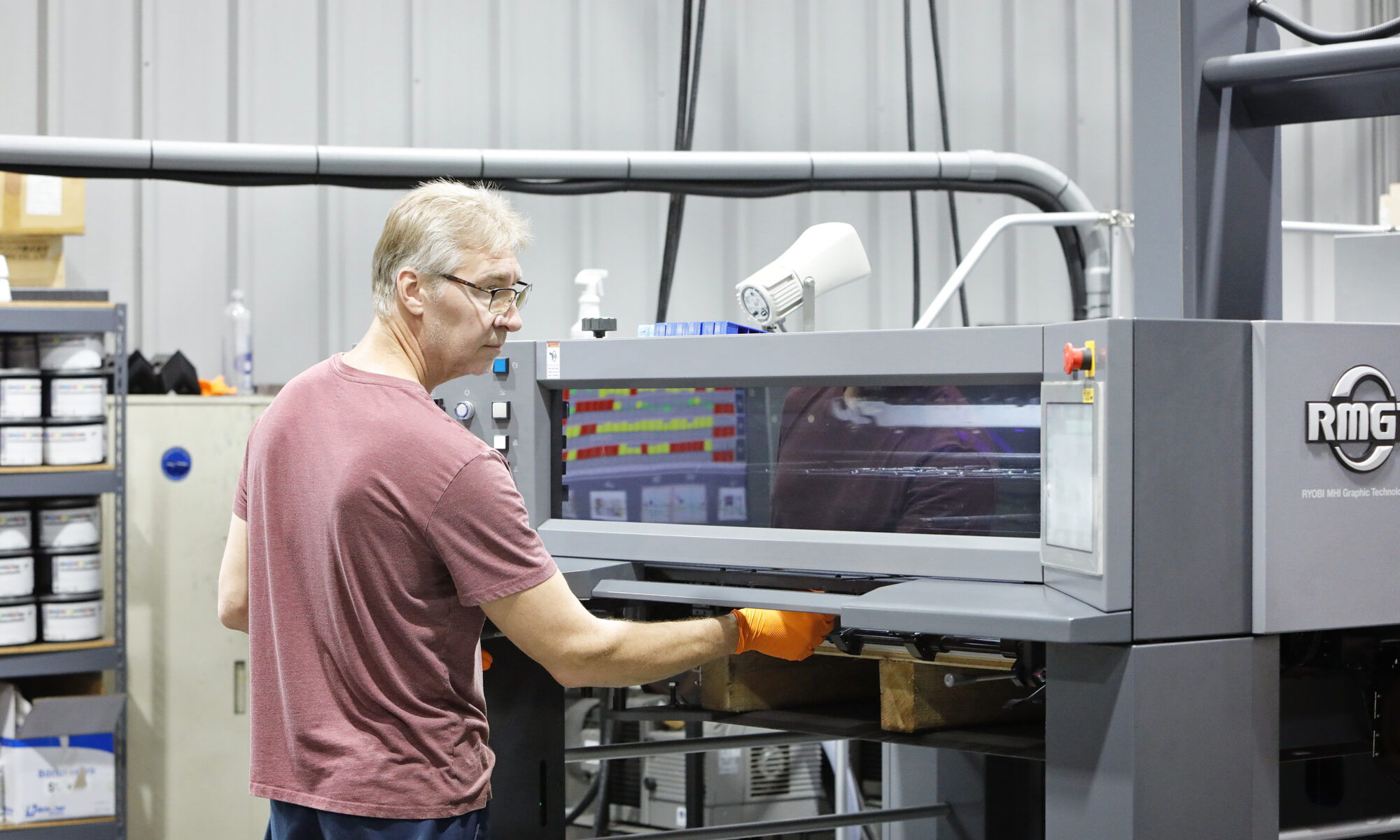
  • Types of Printing Technologies: Different printers utilize various technologies, such as digital printing, offset printing, and large format printing. Each technology has its strengths and is suited for specific applications.
  • Sample Evaluations: Requesting samples of previous work can provide insight into the printer’s quality. Look for consistency in color, clarity, and overall finish.
  • Customer Feedback: Reviews and testimonials from previous clients can offer valuable information about the printer’s reliability and service quality.

When considering different printing technologies, it’s important to be aware of common quality issues and the need for robust quality assurance procedures.

Digital & Offset Print Quality Assurance

Using an Internet-based industry survey, the differences and similarities of offset and digital print demerits within the print industry are examined. Running parallel to this examination is a look at the extent to which demerit-based quality assurance procedures exist within the printing industry. The survey findings indicate that offset and digital printing processes share common color-related print demerits.

A survey of digital and offset print quality issues, 2007

By focusing on these evaluation methods, you can ensure that the printer you choose meets your quality standards.

Furthermore, a deeper technical assessment of print quality often involves complex image metrics, which require careful application.

Evaluating Print Quality with Image Metrics

quality attributes as suitable for image quality evaluation. The process of applying image quality metrics to printed images is not straightforward, because image quality metrics require a

Image quality metrics for the evaluation of print quality, M Pedersen, 2011

How to Assess Printing Service Providers Effectively?

Assessing potential printing service providers requires a structured approach. This involves asking the right questions and comparing their offerings to find the best fit for your needs.

What Questions Should You Ask Potential Print Partners?

When evaluating potential print partners, consider asking the following questions:

  1. What are your printing capabilities? Understanding the range of services offered can help you determine if they can meet your specific needs.
  2. What is your pricing structure? Inquire about pricing models and any additional costs that may arise during the printing process.
  3. What are your turnaround times? Knowing how quickly a printer can deliver your order is crucial for meeting deadlines.

These questions will help you gauge the printer’s suitability for your project.

How to Compare Pricing and Turnaround Times

Comparing pricing and turnaround times is essential for making an informed decision. Consider the following factors:

  • Factors Affecting Pricing: Understand what influences the cost of printing, such as materials, complexity of the project, and volume.
  • Importance of Turnaround Times: Timeliness is critical in the printing industry. Ensure that the printer can meet your deadlines without compromising quality.
  • How to Negotiate: Don’t hesitate to negotiate pricing and terms. Many printers are willing to work with you to find a mutually beneficial agreement.

By carefully comparing these aspects, you can select a printing partner that aligns with your budget and timeline.

What Are the Best Practices for Printer Evaluation?

To ensure a thorough evaluation of potential printers, follow these best practices. These practices will help you make a well-informed decision.

How to Verify Certifications and Industry Experience

Verifying certifications and industry experience is vital in selecting a reliable printing partner. Consider the following:

  • Types of Certifications: Look for printers with industry-recognized certifications, such as ISO 9001, which indicates a commitment to quality management.
  • Industry Standards: Ensure that the printer adheres to industry standards for quality and safety.
  • Experience Metrics: Assess the printer’s experience in your specific industry to ensure they understand your unique requirements.

These verification steps will help you identify a trustworthy printing partner.

Why Is Customer Service Important in Choosing a Print Partner?

Customer service plays a crucial role in the printing process. A printer with excellent customer service can make your experience smoother and more efficient. Consider these factors:

  • Impact on Project Success: Good communication and support can significantly affect the outcome of your project.
  • Communication Importance: Ensure that the printer is responsive and willing to address your concerns throughout the process.
  • Support During the Process: A reliable printer should provide assistance from the initial consultation to the final delivery.

Prioritizing customer service will enhance your overall experience with the printing partner.

How to Choose a Print Partner That Aligns with Your Business Needs?

Choosing a print partner that aligns with your business needs involves understanding your specific requirements and evaluating how potential printers can meet them.

What Printing Technologies and Services Should You Consider?

When selecting a printing partner, consider the following technologies and services:

  • Types of Printing Technologies: Evaluate the technologies offered, such as digital, offset, and large format printing, to determine which best suits your needs.
  • Service Offerings: Look for additional services, such as bindery and mailing services, that can streamline your project.
  • Customization Options: Ensure that the printer can accommodate any specific customization requests you may have.

By considering these factors, you can select a printer that meets your unique business needs.

How to Ensure Scalability and Flexibility in Your Print Partner

Scalability and flexibility are essential for businesses that anticipate growth or changing needs. Consider the following:

  • Scalability Considerations: Choose a printer that can handle increased volumes as your business grows.
  • Flexibility in Service Delivery: Ensure that the printer can adapt to your changing requirements, whether it’s adjusting timelines or accommodating new projects.
  • Long-term Partnership Benefits: A printer that can grow with your business will provide long-term value and support.

By prioritizing scalability and flexibility, you can establish a productive partnership with your print provider.

What Are Common Mistakes to Avoid When Selecting a Commercial Printer?

Avoiding common pitfalls during the printer selection process can save you time and resources. Here are some mistakes to watch out for:

How to Avoid Hidden Costs and Quality Issues

Hidden costs and quality issues can arise if you’re not careful. To avoid these problems:

  • Understanding Pricing Structures: Ensure you have a clear understanding of the pricing model and any potential additional costs.
  • Importance of Detailed Quotes: Request detailed quotes that outline all costs associated with your project.
  • Negotiation Tips: Don’t hesitate to negotiate terms to ensure transparency and fairness.

By being proactive, you can mitigate the risk of unexpected expenses and quality concerns.

Why Rushing the Printer Selection Process Can Be Risky

Rushing the printer selection process can lead to poor decisions. Consider the following:

  • Consequences of Rushed Decisions: Hasty choices may result in selecting a printer that doesn’t meet your needs.
  • Importance of Thorough Research: Take the time to research potential partners and evaluate their capabilities.
  • Long-term Impacts: A poor choice can have lasting effects on your brand’s image and marketing efforts.

By allowing adequate time for the selection process, you can make a more informed decision.

FactorDescriptionImportance
Quality of PrintingAssess the quality of samples and previous workHigh
CapabilitiesUnderstand the range of services offeredHigh
ReputationResearch customer feedback and reviewsHigh
Printing TechnologyDescriptionBest Use
Digital PrintingIdeal for short runs and quick turnaroundMarketing materials, short-run projects
Offset PrintingBest for high-volume projects with consistent qualityBrochures, catalogs, large volume print jobs
Large Format PrintingSuitable for banners and signageTrade shows, events, outdoor advertising

Choosing the right commercial printing partner is a critical decision that can significantly impact your business. By understanding the essential factors, assessing potential providers effectively, and avoiding common mistakes, you can ensure a successful partnership that meets your printing needs.
Benefits of Offset Printing: Quality, Consistency, and Cost-Efficiency Explained

Offset printing is a widely used printing technique that offers numerous advantages for commercial projects. This article explores the key benefits of offset printing, including its superior quality, consistency, and cost-efficiency. Readers will learn how offset printing stands out in the printing industry, particularly for high-volume runs, and why it remains a preferred choice for businesses seeking reliable print solutions. Many companies face challenges in achieving high-quality prints while managing costs effectively. Offset printing provides a solution by combining advanced technology with traditional craftsmanship, ensuring that businesses can produce exceptional printed materials without breaking the bank.

This article will cover the advantages of offset printing, its role in maintaining color consistency, its cost-effectiveness, the materials it can accommodate, and how Walton Press, Inc. ensures quality and value in its offset printing services.

What Are the Key Advantages of Offset Printing for Commercial Projects?

Offset printing offers several key advantages that make it an ideal choice for commercial projects. This printing method is known for its high-quality output, cost-effectiveness for large runs, and versatility in materials.

Indeed, research consistently highlights offset printing’s effectiveness in delivering high-quality, high-volume, and cost-efficient production.

How Does Offset Printing Deliver Superior Print Quality?

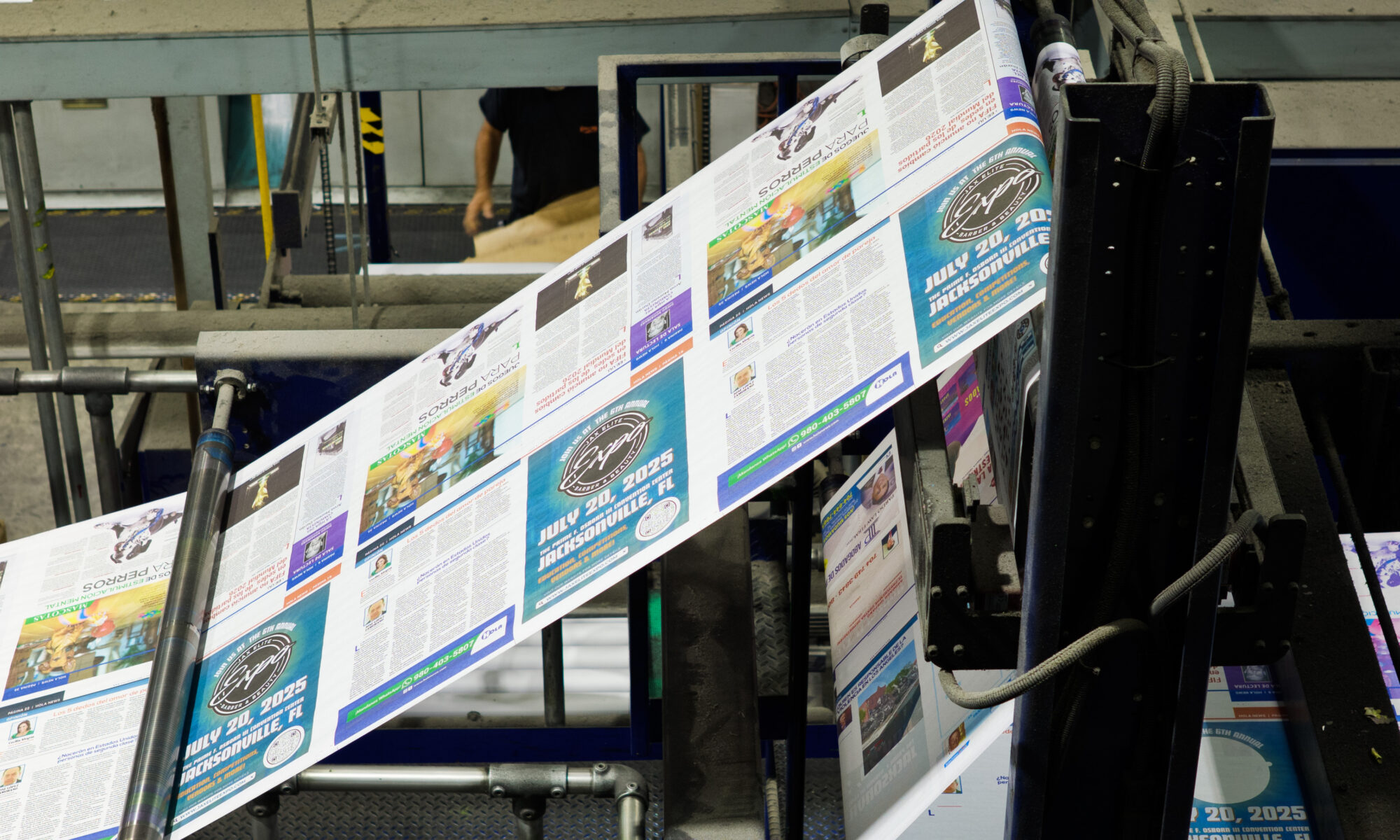
Offset printing delivers superior print quality through its ability to produce sharp images and fine details. The process uses printing plates that transfer ink onto a rubber blanket, which then transfers the ink onto the substrate, allowing for precise color reproduction and high resolution. This method ensures that colors are vibrant and consistent across multiple prints, making it suitable for projects that require exceptional quality, such as brochures, magazines, and packaging. The use of high-quality inks and advanced printing technology further enhances the overall print quality, making offset printing a preferred choice for businesses that prioritize excellence in their printed materials.

Further advancements in printing technology, including specialized ink systems, continue to push the boundaries of offset print quality, offering an even wider color gamut and finer detail.

Enhance Offset Print Quality: Wider Color Gamut & Reduced Graininess

These extra color stations can be used to improve image quality by increasing the color gamut, decreasing graininess, reducing illumination sensitivity, or adding special effects to the printed output. The HP IndiChrome Pantone® certified ink mixing system is one key enabler of these improvements, allowing customers to create Pantone® or custom-matched spot colors at their own site.

Digital Offset Printing–Going Beyond 4 Colors, 2006

Why Is Offset Printing Ideal for High-Volume Runs?

Offset printing is particularly ideal for high-volume runs due to its efficiency and cost-effectiveness. The initial setup costs for offset printing can be higher than digital printing; however, once the setup is complete, the cost per unit decreases significantly as the volume increases. This is because the same printing plates can be used for large quantities, allowing for faster production speeds. Many businesses find that offset printing becomes more economical for projects requiring thousands of copies, making it a smart choice for large-scale printing needs.

How Does Offset Printing Ensure Consistent Color Across Large Print Runs?

One of the standout features of offset printing is its ability to maintain consistent color across large print runs. This consistency is crucial for businesses that rely on brand identity and color fidelity in their marketing materials.

What Role Does the Pantone Matching System Play in Color Accuracy?

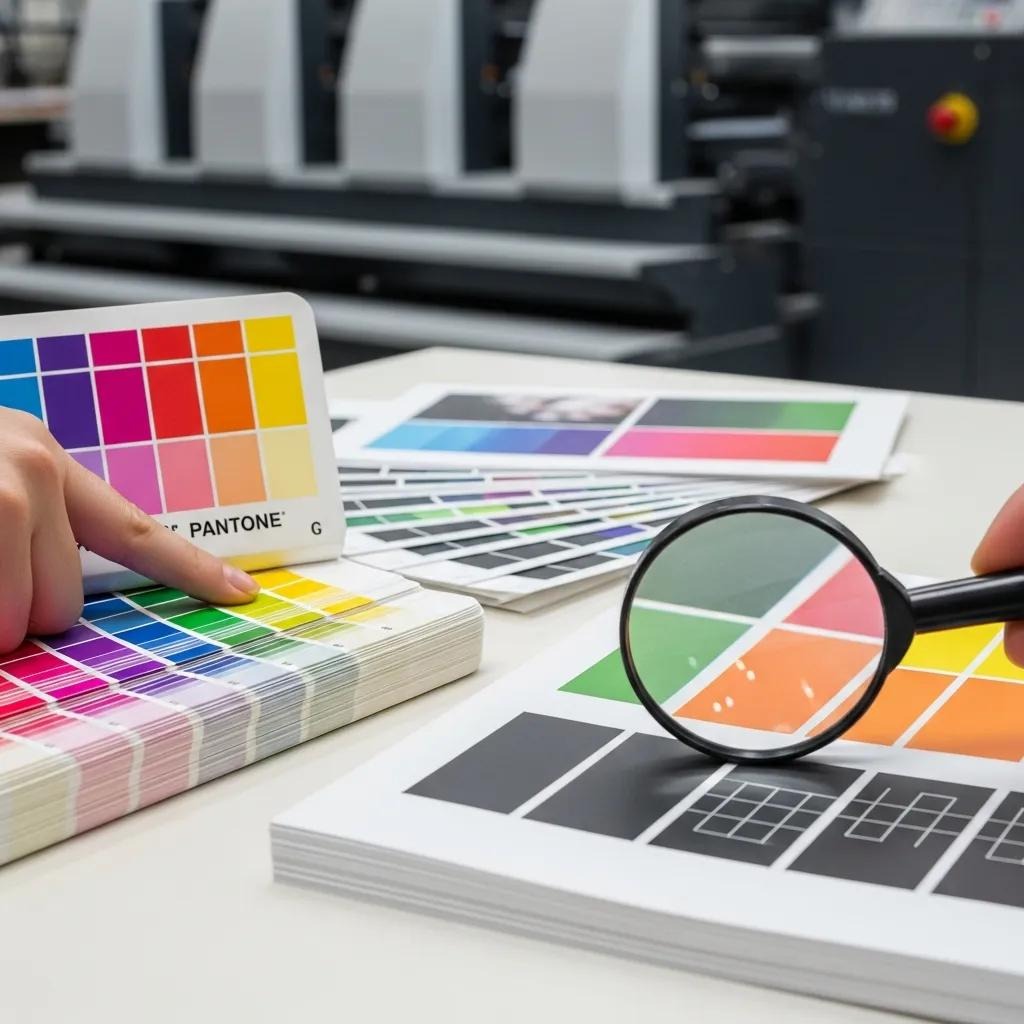
The Pantone Matching System (PMS) plays a vital role in ensuring color accuracy in offset printing. PMS provides a standardized color matching system that allows printers to reproduce specific colors consistently. By using PMS, businesses can ensure that their brand colors are accurately represented in all printed materials, regardless of the print run size. This system is particularly beneficial for companies that require precise color matching for their logos and branding elements.

Indeed, specialized printing techniques, such as those utilizing multi-color presses, are crucial for achieving precise and consistent Pantone color reproduction, meeting both industry standards and client expectations.

How Does Offset Printing Maintain Brand Color Integrity?

Offset printing maintains brand color integrity by utilizing the Pantone Matching System and high-quality inks that are designed to match specific color profiles. This ensures that the colors remain consistent across different print jobs and materials. Many well-known brands rely on offset printing to uphold their visual identity, as it allows them to produce marketing materials that reflect their brand accurately. By adhering to strict color guidelines, offset printing helps businesses maintain their brand’s reputation and recognition in the market.

Why Is Offset Printing Cost-Efficient for Large Print Volumes?

Offset printing is recognized for its cost-efficiency, especially when it comes to large print volumes. The economies of scale associated with this printing method make it a financially viable option for businesses.

How Do Economies of Scale Reduce Per-Unit Printing Costs?

Economies of scale play a significant role in reducing per-unit printing costs in offset printing. As the quantity of printed materials increases, the fixed costs associated with setup and production are spread over a larger number of units. This results in a lower cost per unit, making offset printing an attractive option for businesses looking to produce large quantities of printed materials without incurring excessive costs. For example, a print run of 10,000 brochures will have a significantly lower cost per brochure compared to a run of just 500.

When Is Offset Printing More Affordable Than Digital Printing?

Offset printing becomes more affordable than digital printing when producing large quantities. While digital printing is cost-effective for small runs due to its lower setup costs, offset printing shines in high-volume scenarios. Businesses that require thousands of copies will find that offset printing offers better pricing and quality, making it the preferred choice for bulk printing projects. This cost advantage, combined with the superior quality of offset printing, makes it a compelling option for many commercial applications.

What Materials and Finishes Can Offset Printing Accommodate?

Offset printing is versatile in terms of the materials and finishes it can accommodate. This flexibility allows businesses to choose from a wide range of substrates and finishing options to suit their specific needs.

Which Substrates Are Compatible with Offset Printing?

Offset printing can accommodate various substrates, including paper, cardboard, and specialty materials. Common paper types used in offset printing include coated and uncoated stocks, which can be selected based on the desired finish and application. Additionally, offset printing can handle thicker materials, making it suitable for packaging and promotional items. This versatility enables businesses to create a diverse array of printed products, from business cards to high-quality packaging.

How Does Material Versatility Enhance Print Applications?

The material versatility of offset printing enhances print applications by allowing for customization and creativity in design. Businesses can choose different substrates and finishes to achieve the desired look and feel for their printed materials. For instance, using a glossy finish on a brochure can make colors pop, while a matte finish can convey a more sophisticated appearance. This adaptability enables companies to tailor their printed products to their target audience and branding requirements, ultimately enhancing their marketing efforts.

How Does Walton Press Ensure Quality, Consistency, and Value in Offset Printing?

Walton Press, Inc. is committed to delivering quality, consistency, and value in its offset printing services. With a focus on craftsmanship and modern technology, the company ensures that every print job meets the highest standards.

What Expertise Does Walton Press Bring to Offset Printing Projects?

Walton Press brings decades of experience and expertise to offset printing projects. The team is skilled in various printing techniques and understands the nuances of different substrates and inks. This knowledge allows them to provide tailored solutions that meet the specific needs of each client. By leveraging advanced printing technology and maintaining strict quality control measures, Walton Press ensures that every project is executed with precision and care.

How Does Walton Press Guarantee Reliable Turnaround and Quality Assurance?

Walton Press guarantees reliable turnaround times and quality assurance through its streamlined production processes and commitment to customer satisfaction. The company employs rigorous quality checks at every stage of production, ensuring that the final product meets the client’s expectations. By prioritizing efficiency and quality, Walton Press has established itself as a trusted partner for businesses seeking reliable offset printing solutions.

What Are the Industry Applications and Trends Driving Offset Printing Demand?

Offset printing continues to be in demand across various industries due to its unique advantages and adaptability. Understanding the applications and trends driving this demand can help businesses make informed decisions about their printing needs.

How Is Offset Printing Used in Publishing, Packaging, and Direct Mail?

Offset printing is widely used in publishing, packaging, and direct mail applications. In publishing, it is the preferred method for producing books, magazines, and catalogs, where high-quality images and text are essential. For packaging, offset printing allows for vibrant graphics and precise color matching, making it ideal for product packaging. Additionally, direct mail campaigns benefit from offset printing’s ability to produce large quantities of materials efficiently, helping businesses reach their target audiences effectively.

What Are the Emerging Sustainability Practices in Offset Printing?

Emerging sustainability practices in offset printing focus on reducing environmental impact through eco-friendly inks, sustainable substrates, and efficient production processes. Many offset printers are adopting vegetable-based or soy-based inks and recycled materials to minimize their carbon footprint. Additionally, advancements in technology are enabling printers to reduce waste and energy consumption during production. As sustainability becomes increasingly important to consumers, offset printing companies that embrace these practices will be better positioned to meet market demands and attract environmentally conscious clients.

Printing MethodKey AdvantageIdeal Use Case
Offset PrintingHigh-quality outputLarge volume projects
Digital PrintingQuick turnaroundShort runs and customization
Flexographic PrintingVersatile for packagingLabels and flexible packaging

The comparison of printing methods highlights the unique advantages of offset printing, particularly for businesses that require high-quality, large-volume print solutions. Understanding these differences can help companies choose the right printing method for their specific needs.